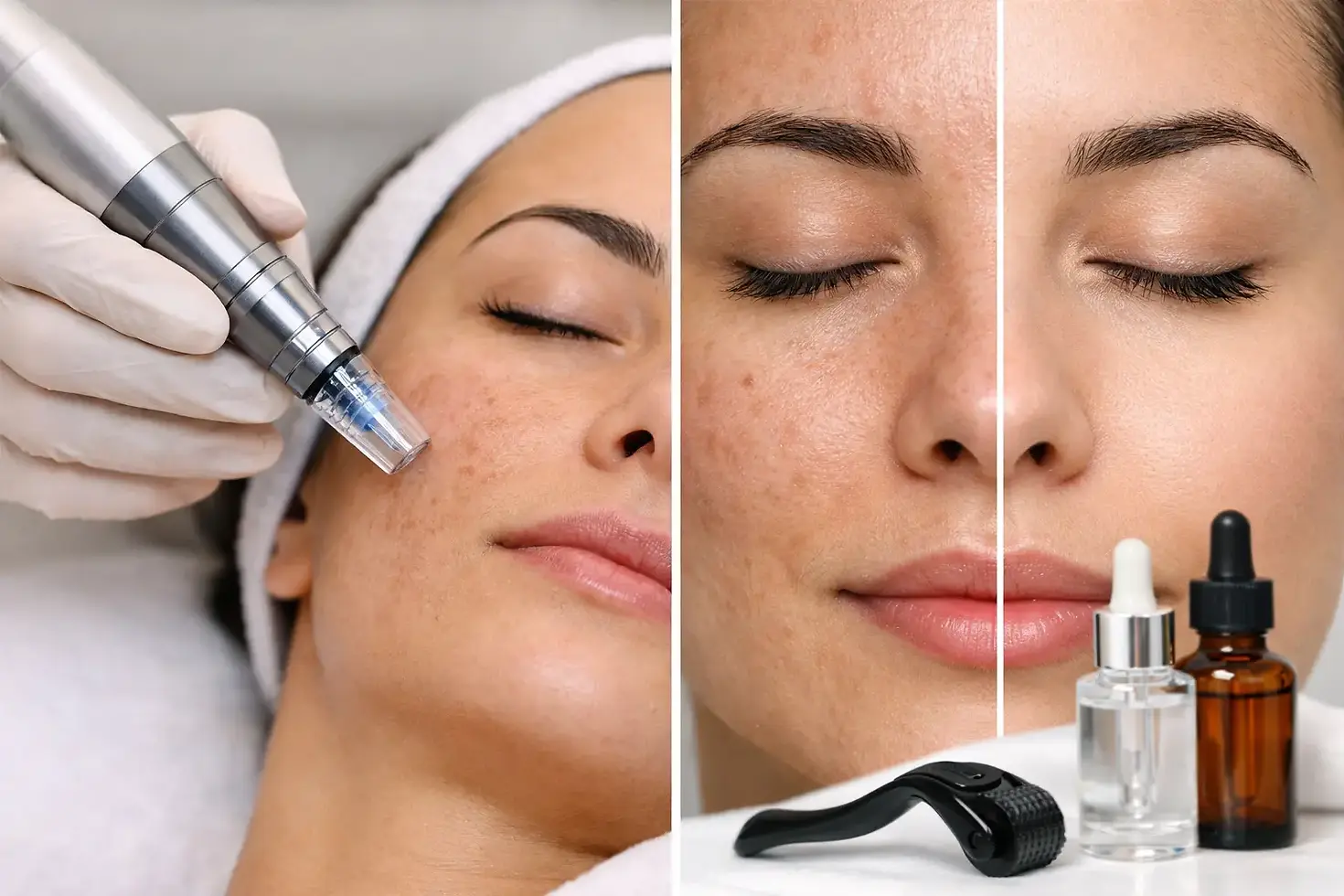
Microneedling Acne Scar Case Study
- Jay Gozum
- Mar 18
- 5 min read
Some acne scars do not bother you until the light hits your skin a certain way. Then suddenly, every shallow dip, uneven patch, and lingering texture issue feels impossible to ignore. For many adults, especially busy professionals who want polished, healthy-looking skin without stepping away from life for weeks, microneedling becomes part of a more realistic path forward.
This case study microneedling for acne scars looks at what results can actually involve - not fantasy, not overnight transformation, but steady skin improvement through a personalized treatment plan. If you have been wondering whether microneedling is worth it for acne scars, the honest answer is that it can be very effective for the right type of scarring, the right skin, and the right expectations.
Why microneedling is often chosen for acne scars
Acne scars are rarely one-note. One person may have shallow rolling scars across the cheeks, while another has deeper boxcar scars, post-acne discoloration, and active breakouts at the same time. That is why a consultation matters so much. Microneedling is not a blanket fix. It is a collagen-stimulating treatment that creates controlled micro-injuries in the skin so your body starts a repair response.
That repair response is where the value lives. Over time, fresh collagen can help soften the look of certain atrophic scars, improve texture, and support smoother-looking skin. It can also help with overall tone and refinement, which matters because many clients are not only asking for scar reduction. They want skin that looks healthier, more even, and more camera-ready.
The trade-off is patience. Microneedling is not usually a one-session story for acne scars. Most meaningful changes come with a series.
A realistic case study microneedling for acne scars timeline
Consider a typical client profile: an adult in their 30s with mild to moderate rolling acne scars on the cheeks, a few shallow boxcar scars, and no active cystic acne at the time of treatment. Their biggest concern is texture. They wear makeup for work, notice unevenness in photos, and want improvement without aggressive downtime.
At the first visit, the skin is assessed closely. This step matters more than many people realize. Scar type, skin sensitivity, current skincare, pigmentation risk, and lifestyle all shape the treatment plan. If the skin barrier is inflamed or if breakouts are still active, treatment may need to be delayed while the skin is calmed first. Better results often come from better preparation.
In this case, the client begins with a series of three to four microneedling sessions spaced about four to six weeks apart. After the first treatment, the skin looks pink and feels warm, similar to a moderate sunburn. For the next day or two, there is some tightness and mild roughness. Makeup is usually paused briefly while the skin recovers.
What changes after one session? Usually, not dramatic scar removal. More often, the first visible shift is in skin quality. The surface may look a bit fresher, pores can appear softer, and the complexion may seem more refined. This early improvement encourages many clients, but it is important not to mistake that for the final result.
By the second and third sessions, collagen remodeling becomes more noticeable. In a well-selected microneedling case, rolling scars may start looking less defined, especially under direct lighting. The skin can appear firmer and smoother, and makeup may sit more evenly. The scars are still there, but they may no longer be the first thing you see.
At around three months after the final session, the client often sees the clearest change. This is where expectations need balance. Microneedling can significantly improve the appearance of certain acne scars, but it does not erase every scar completely. Deeper boxcar or ice pick scars may need combination treatment, and some skin types benefit from adding medical-grade skincare to support the process.
What this kind of result really means
The best acne scar result is not always "perfect skin." For many clients, success means they no longer feel the need to angle their face away from overhead lighting. It means less dependence on heavy foundation. It means their skin looks smoother in person, not just through a filter.
That distinction is important because aesthetic medicine works best when the goal is improvement, not perfection. A thoughtful provider will talk through what microneedling can do well and where its limits begin. That honesty protects your time, budget, and confidence.
Who tends to benefit most from microneedling
Microneedling tends to work especially well for clients with mild to moderate atrophic acne scars, including many rolling scars and some shallow boxcar scars. It is also appealing to people who want a collagen-focused option with manageable downtime.
It may be less ideal as a standalone treatment for very deep scars, active inflammatory acne, or clients who expect immediate correction. Skin tone also matters. Microneedling can be a strong option across a range of skin types when performed thoughtfully, but pigmentation history and aftercare need close attention.
This is why personalized care matters so much. Two clients can both say, "I have acne scars," yet need very different plans.
What affects results in a microneedling acne scar case study
Technique is one factor, but it is not the only one. Depth selection, treatment spacing, and the condition of the skin before the first session all affect outcome. So does consistency. Clients who complete a recommended series generally see better improvement than those who stop after one treatment and hope for a full correction.
Home care also plays a quiet but important role. If the skin is irritated by harsh products, over-exfoliated, or not protected from sun exposure, it becomes harder to support healing well. Good aftercare is not glamorous, but it helps protect your investment.
Then there is the scar itself. Rolling scars often respond better than narrow, deep ice pick scars. Newer scars may also behave differently than older ones. This is where a one-size-fits-all promise falls apart. Microneedling can be powerful, but it works within the biology of your skin.
Why a consultation-first approach matters
A consultation should never feel like a sales pitch. It should feel like clarity. You want to understand how many sessions may be needed, what kind of improvement is realistic, what downtime to expect, and whether another treatment should be considered alongside or instead of microneedling.
That kind of guidance is especially valuable for clients who are tired of guessing with at-home tools or trendy internet advice. Professional microneedling is not just about the device. It is about assessment, planning, and support across the full treatment journey.
For clients who want premium care with flexibility, discussing package planning and payment options up front can also make the process feel more manageable. When treatment is approached with both clinical expertise and practical support, it becomes easier to stay consistent enough to see real improvement.
A final word on expectations and confidence
If acne scars have been making you feel like your skin never fully moved on from past breakouts, microneedling may offer a meaningful reset. Not a miracle, not a shortcut, but a clinically guided way to help your skin rebuild and refine over time.
At NP. Jay Medical Aesthetics L.L.C., that journey should feel personal from the start - because your skin, your goals, and your confidence are never generic. The most beautiful outcomes usually come from a plan that respects your individuality, meets your skin where it is, and gives it the expert support to move forward.



Comments