HydraFacial vs Dermaplaning for Glow
- Jay Gozum
- Mar 19
- 6 min read
Some glow treatments make skin look freshly polished the same day. Others give you that smooth, camera-ready finish you notice most under makeup or natural light. When clients ask about hydrafacial vs dermaplaning for glow, they are usually not asking which treatment is better in a vacuum - they are asking which one will make their skin look brighter, smoother, and more refreshed for their life, their schedule, and their skin goals.
That distinction matters. Both treatments can leave you looking radiant, but they create glow in different ways. One deeply cleanses and infuses the skin with hydration. The other removes surface buildup and peach fuzz for an instantly refined texture. If you are choosing between them, the right answer depends on what is standing between you and the result you want to see in the mirror.
HydraFacial vs dermaplaning for glow: what is the difference?
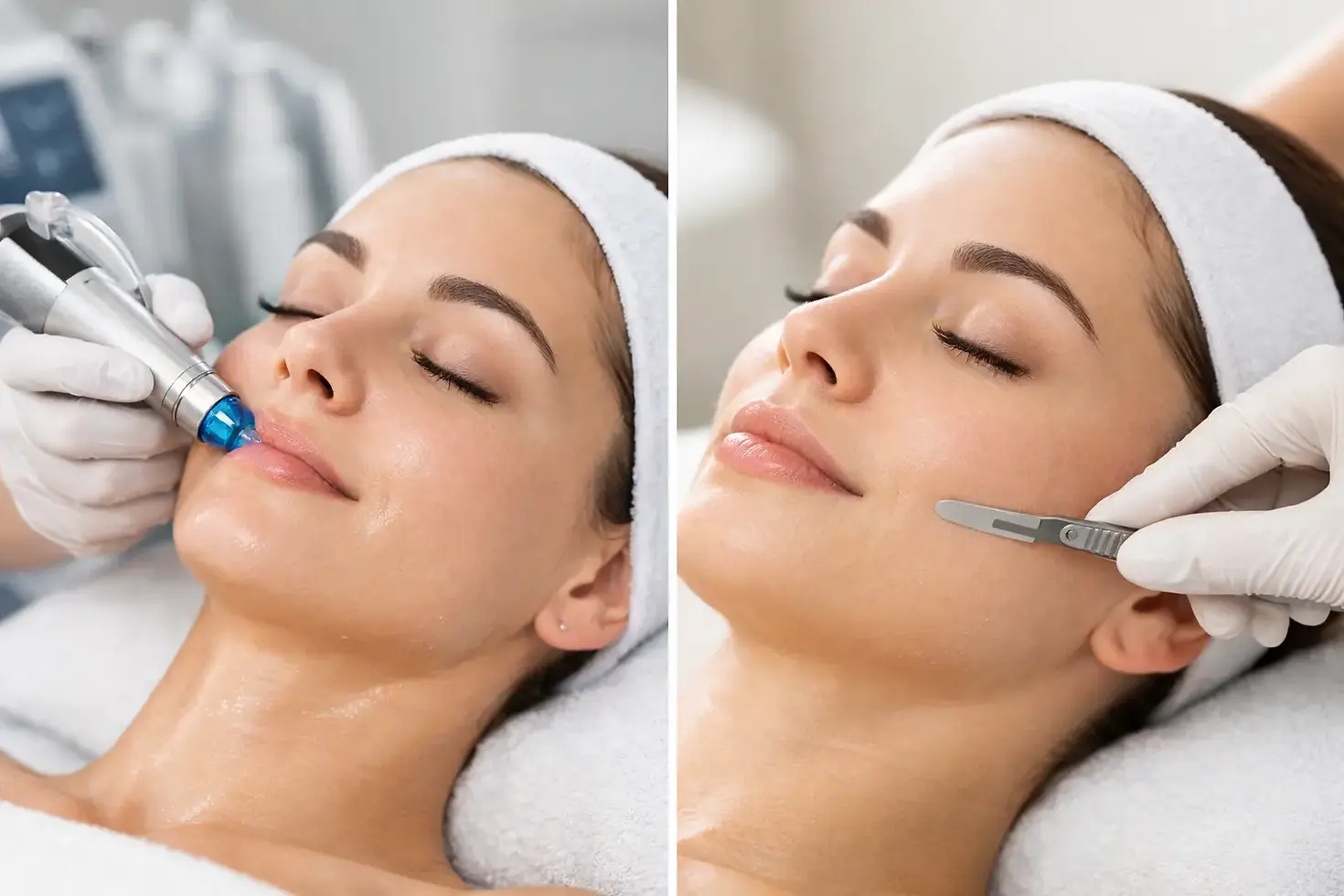
A HydraFacial is a multi-step treatment designed to cleanse, exfoliate, extract, and hydrate the skin in one appointment. It is often chosen by clients who want skin to look clearer, plumper, and more luminous without the intensity of a more aggressive resurfacing treatment. The glow tends to come from a combination of cleaner pores, better hydration, and a smoother skin surface.
Dermaplaning is a manual exfoliation treatment that uses a sterile blade to remove dead skin cells and fine vellus hair from the face. The result is immediate smoothness. Skin often looks brighter because dull buildup is gone, and makeup usually applies more evenly afterward. The glow from dermaplaning is less about hydration and more about texture, softness, and surface refinement.
In simple terms, HydraFacial is ideal when skin looks tired, congested, or dehydrated. Dermaplaning is ideal when skin feels rough, makeup is catching on texture, or you want the cleanest possible canvas.
Which treatment gives a better glow?
For many people, HydraFacial gives a more dewy, healthy-looking glow. It is especially appealing if your skin tends to feel dry, dull, or congested. After treatment, clients often notice that their complexion looks more rested and fresh rather than just smoother. If your version of glow means skin that looks juicy, bouncy, and well cared for, HydraFacial often wins.
Dermaplaning gives a different kind of glow - more polished than dewy. It is the treatment people love before photos, events, or any time they want makeup to sit beautifully on the skin. If your skin care products are already working well and your main complaint is that your skin looks uneven or feels fuzzy and rough on the surface, dermaplaning can create that immediate brightened finish.
This is why there is no universal winner. If you want hydration and a refreshed complexion, HydraFacial usually offers more. If you want ultra-smooth texture and instant brightness, dermaplaning may feel more dramatic right away.
Who should choose HydraFacial?
HydraFacial is often a great fit for clients who want a treatment that feels effective but approachable. It works well for busy professionals and anyone who wants visible improvement without planning around significant downtime. Skin can look cleaner and more radiant after one session, which makes it appealing if you want a reliable maintenance treatment.
It is particularly helpful for dullness, dehydration, mild congestion, and skin that seems flat or tired. If you are noticing clogged pores around the nose and chin, inconsistent texture, or a lack of radiance, this treatment addresses more than one concern at once. That broad benefit is part of its appeal.
HydraFacial can also be a stronger choice if you are hesitant about a blade-based exfoliation treatment or if your skin needs more hydration support than surface smoothing. The treatment is customizable, which matters when your skin goals are specific and your results need to feel tailored, not generic.
Who should choose dermaplaning?
Dermaplaning shines when your top priority is smoothness. If your foundation looks patchy, your skin feels rough despite a good home routine, or you notice peach fuzz catching light in a way you do not love, this treatment can make a noticeable difference quickly.
It is also a favorite before special events because the skin often looks immediately cleaner and more refined. Many clients love the soft, velvety feel they notice right after treatment. That tactile difference can be just as satisfying as the visual glow.
Dermaplaning may be the better option when congestion is not your main issue, but surface buildup is. It creates a beautiful finish, but it is not designed to hydrate or deeply clear pores in the same way a HydraFacial does. So if your skin is both rough and dehydrated, dermaplaning alone may not fully address what you are seeing.
HydraFacial vs dermaplaning for glow by skin type
If your skin is dry or dehydrated, HydraFacial is often the stronger choice. Hydration is part of the treatment experience, so the result usually looks more balanced and healthy, not just exfoliated. Clients with mature skin also tend to appreciate that plump, refreshed effect.
If your skin is normal to combination and your biggest concern is texture, dermaplaning can be extremely satisfying. It removes the dull layer that keeps skin from reflecting light well. That is often the fastest route to a more polished appearance.
If your skin is acne-prone or actively breaking out, the choice becomes more nuanced. HydraFacial may be useful for congestion, but treatment selection should be guided carefully. Dermaplaning is not always ideal over inflamed acne, since active lesions can make manual exfoliation less appropriate. This is one of those moments where professional consultation matters most.
If you have sensitive skin, neither treatment should be chosen casually. Some sensitive clients do beautifully with HydraFacial, especially when the treatment is adjusted thoughtfully. Others prefer the simplicity of dermaplaning. The key is not choosing based on trend or social media glow, but on how your skin actually behaves.
What about downtime, comfort, and maintenance?
Both treatments are popular partly because they fit real schedules. Most clients can return to normal activities quickly, which matters when you are balancing work, family, and everything else.
HydraFacial is typically described as comfortable and refreshing. Skin may look a little pink immediately after, but many people leave looking brighter the same day. Because it includes hydration, the post-treatment finish often feels instantly rewarding.
Dermaplaning is also usually well tolerated, with minimal downtime for most clients. Some temporary sensitivity can happen, especially if your skin barrier is already feeling stressed. After treatment, your skin may be more aware of active ingredients and sun exposure, so aftercare matters.
Maintenance depends on your goals. Some clients prefer HydraFacial as a regular complexion reset. Others like dermaplaning before events or as part of an ongoing skin-smoothing routine. If glow is your year-round goal, consistency often matters more than chasing a single dramatic appointment.
Can you combine both?
Sometimes, yes - and for the right client, that combination can be beautiful. Dermaplaning clears the surface, and HydraFacial can then focus on cleansing and hydration. The result can feel especially refined and radiant.
That said, more is not always better. Layering treatments should be based on your skin condition, sensitivity level, and timing. If your skin barrier is compromised or easily irritated, spacing treatments may be wiser than stacking them. A personalized plan tends to produce better long-term glow than choosing the most aggressive option available.
How to decide which glow you want
A helpful way to choose is to ask yourself one honest question: does your skin need more water, or does it need a cleaner surface?
If your face looks tired, thirsty, or congested, start with HydraFacial. If it looks dull because of roughness or fuzz and you want makeup to glide on beautifully, start with dermaplaning. If both sound true, that does not mean you have to guess. A clinician-led consultation can help you choose the treatment that fits your skin today and your larger aesthetic goals over time.
At NP. Jay Medical Aesthetics, that personalized approach is part of the experience. Your skin is not generic, and your glow should not be either. If budget is part of the decision, flexible options like Cherry payment plans can also make it easier to move forward with a treatment plan that feels right for you.
The best glow is not about picking the trendiest service. It is about choosing the treatment that meets your skin where it is now, so your confidence feels as natural as your radiance.


Comments